Ahgupuk’s Biography
George Ahgupuk
Shishmaref & Anchorage, Alaska
1911-2001
Please use the below links to view the ahgupuk galleries, yesteryear souvenirs along with greeting & note card pages
Welcome to the George Ahgupuk Biography page, please scroll down to read
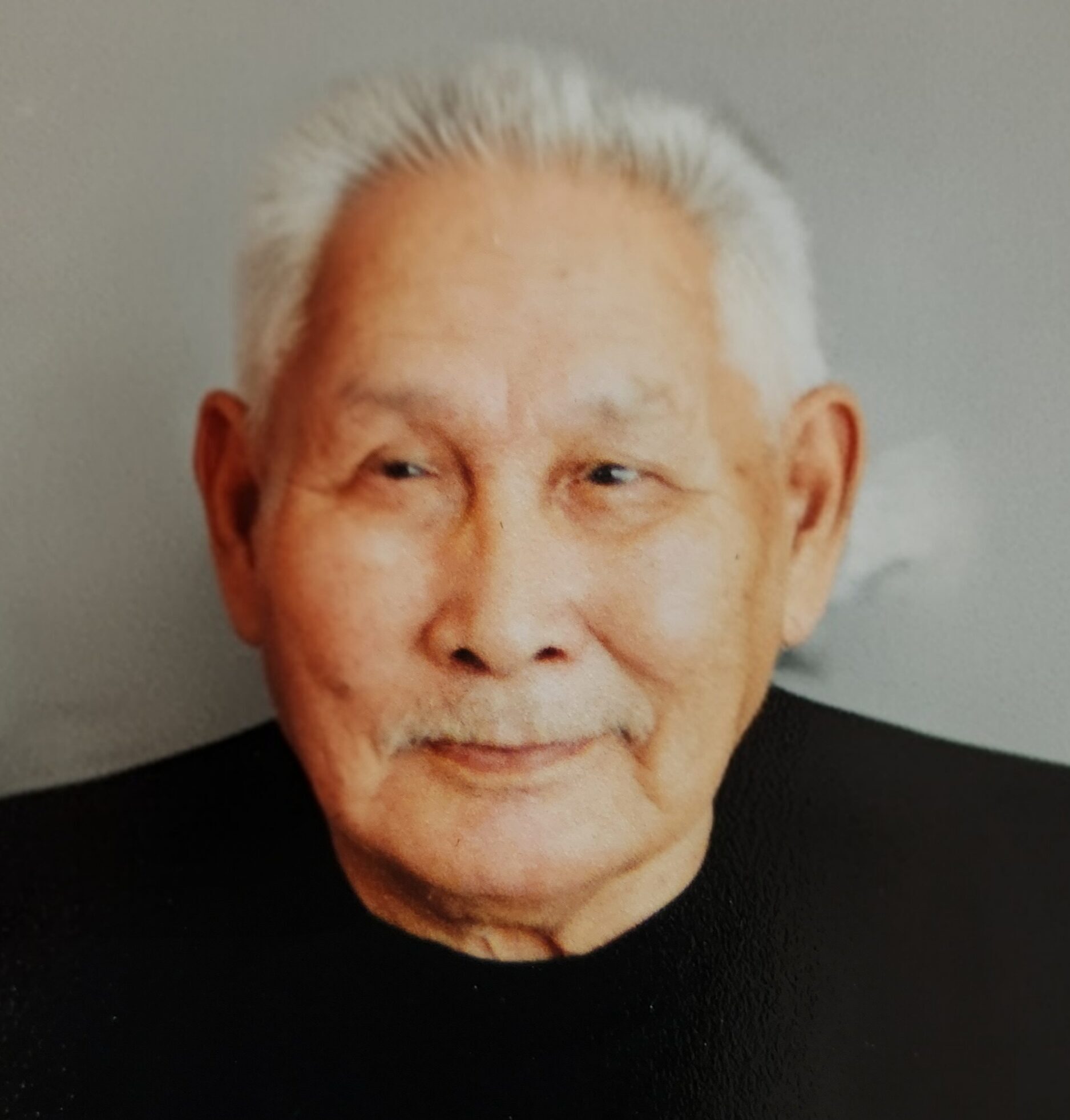
George Aden Ahgupuk, whose native name was Twok meaning “man”, was born on October 8, 1911 in the native village of Shishmaref, Alaska, which is located in the Bering Sea approximately 90 nautical miles East of Russia. George spent the early years of his life learning subsistence living skills, such as fishing and hunting from his parents and village relatives. During the winter of 1930, while hunting for ptarmigan George slipped on an icy area and broke his leg. Although his leg mended, it had not mended properly and in 1934 he developed tubercular infection that put him in the Kotzebue Hospital for treatment. This was the start of a new life for George
During his several months in the hospital, Twok doodled and sketched the scenes from his village life. Having no artist paper, these first works of art were on toilet paper! One of George’s nurses noticed his talent, and presented George with drawing paper, requesting that he make her some christmas cards. With the money that he earned from these cards, he returned to the village realizing the potential to earn a living doing what he loved, drawing. Without access to paper or drawing supplies, he asked his mother for animal hides to draw on. Seal skin was the first medium, and became of of his trademarks.
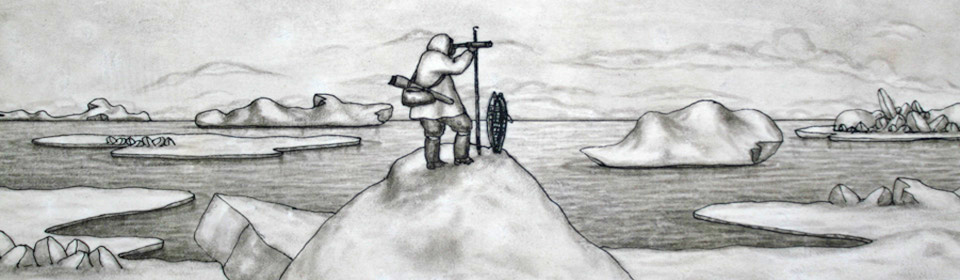
Twok developed his own technique for bleaching caribou/reindeer and moose hides. George was very protective of his bleaching secrets and shared his techniques with no one, not even his closest friends or relatives. His artwork depicted scenes of village life, seal and walrus hunting, polar bear hunting, whale hunting and alaska scenery and wildlife.
George’s life was a commingling of two worlds, his proud Inupiaq lifestyle and the “white man’s” lifestyle. During fishing season, he worked as a commercial fisherman to earn a living for his family. In the winter months, he would draw as much as possible to have artwork to sell to the fair weather tourists. As a traditional Eskimo, he used all of the resources available to him. He not only drew on hides and paper, but also on fish skins, to include salmon, seal skins, tree mushrooms, plywood, ceramic tile, etc. basically, anything that had a surface that would hold paint could wind up in his painting room.
In the late 1960’s, George primarily sold original works of art to tourist visiting Alaska, but with the dawn of commercially produced produced souvenirs, George sold his work for use on Alaska souvenir plates, cups, saucers, lamp shades, placemats, napkin holders and the like.
There have been many unauthorized reproductions, most notably a woman’s powder compact n various sizes and shapes which display several different illustrations of eskimo life. The images were probably copied from Christmas or note cards produced by American Artists Group (AAG) of New York.
Examples of George’s artwork can be found on the web pages that follow, and in the collections of the National Museum of American Indian, Smithsonian Institution in Washington D.C., the California Academy of Sciences, Alaska State Museum at Juneau, the Seattle Museum of History and Industry, the Indian Arts and Crafts Board, United States Department of the Interior, Washington D.C., the Riverside Municipal Museum of California, collections can be found at the University of Alaska Museum in Fairbanks and the Anchorage Museum of History and Art. Additionally, many of his drawings and paintings are held in private collections.
As a result of several strokes late in his life, Twok had difficulty painting and drawing. However, his intellect and will were still strong, as was his desire to continue to document the earlier lifestyle of the Alaska Native. Future generations will know alaska through his much respected artwork.
George Twok Aden Ahgupuk died on April 1, 2001 in his home in Anchorage, Alaska.